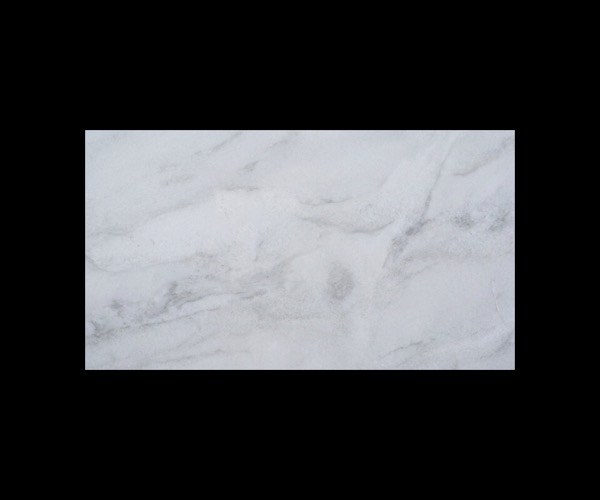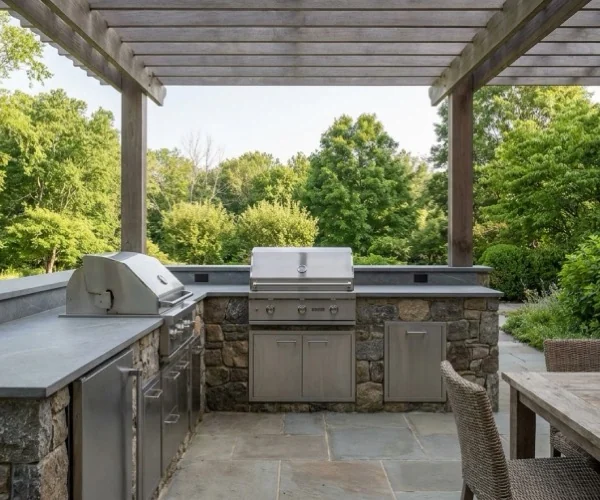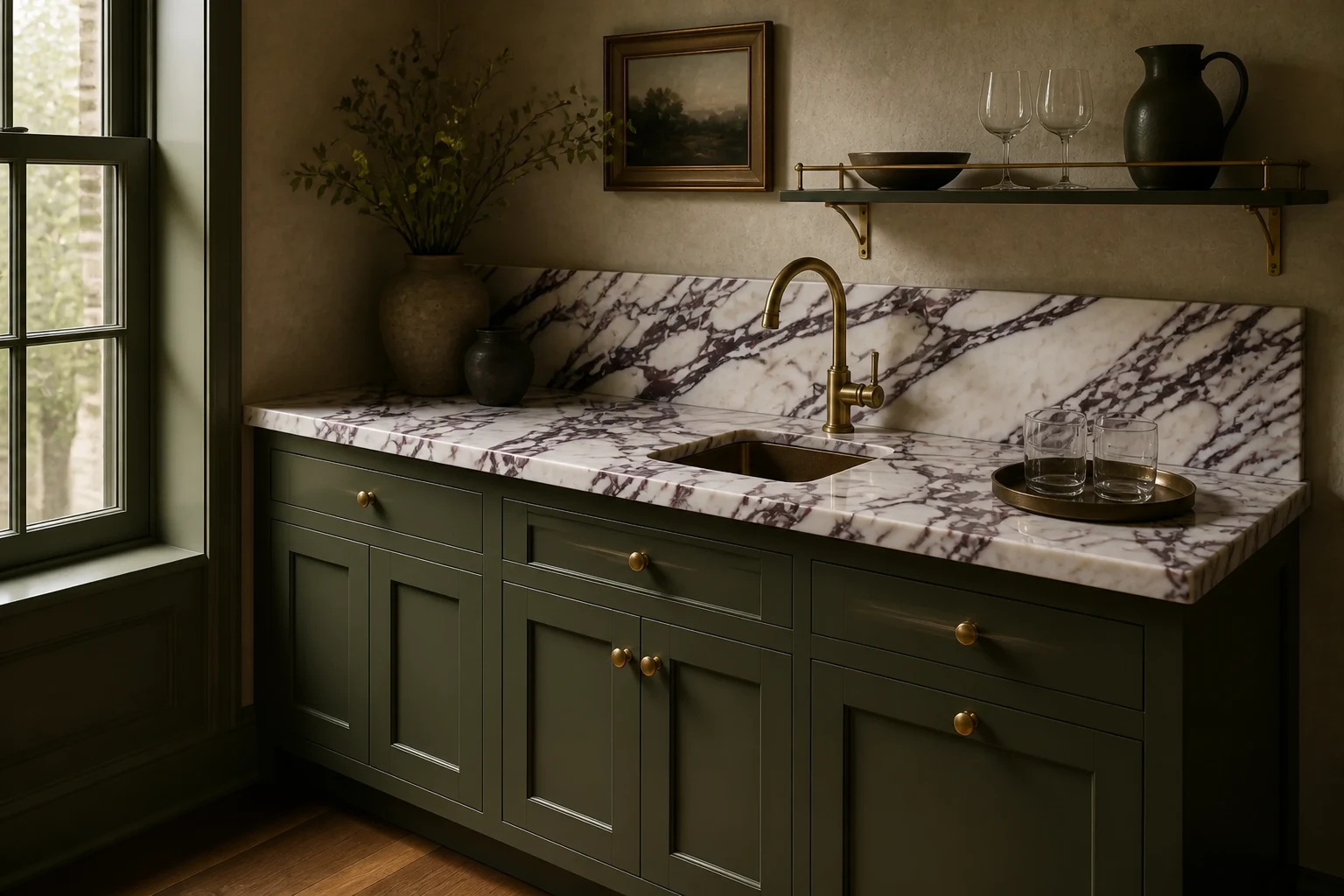
They can look almost identical across a room. Here is how marble and quartzite really differ in hardness, etching, sealing and fabrication, and where each one belongs.
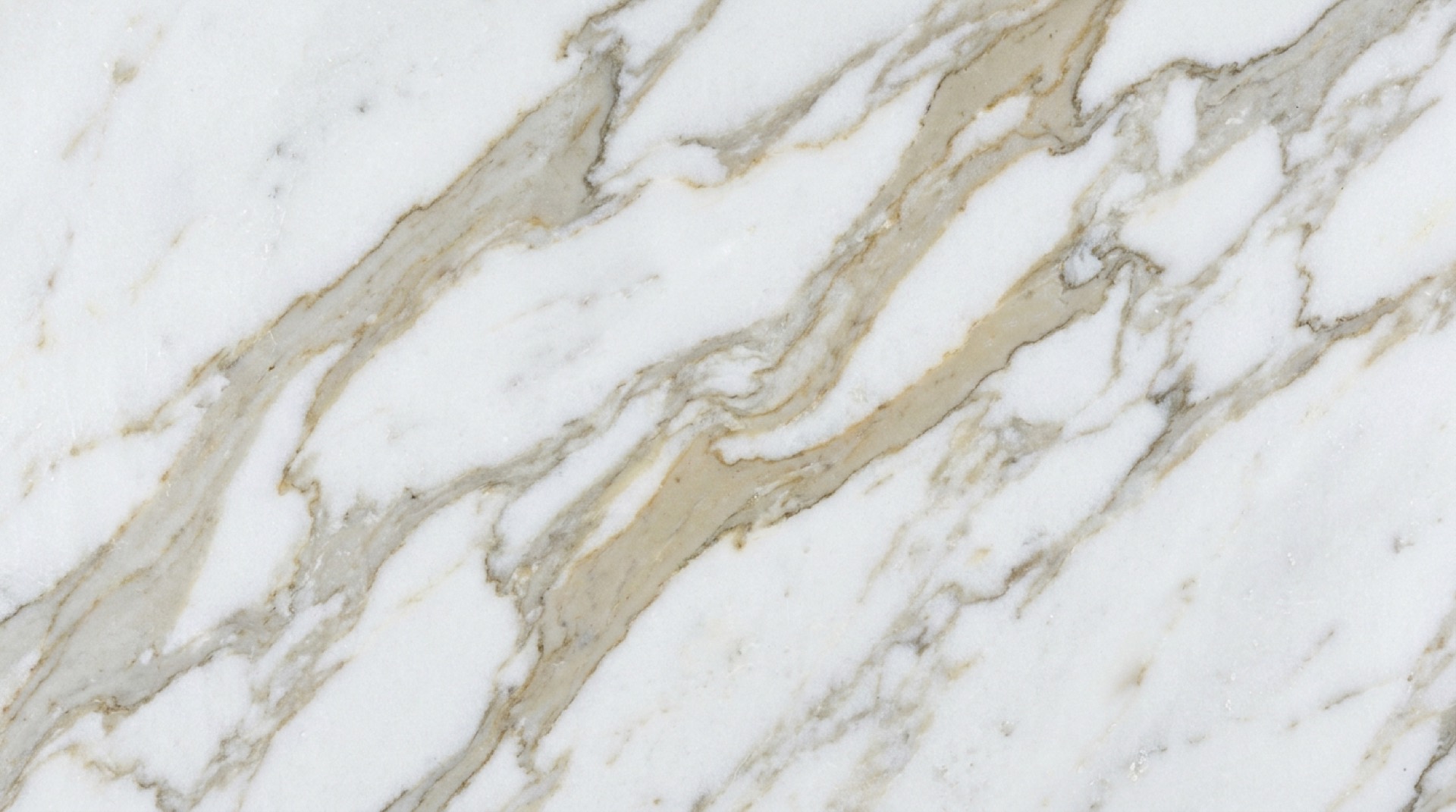
Stand a slab of Calacatta marble next to a slab of Taj Mahal quartzite and most people need a moment to say which is which. Both are natural stone, both carry soft veining on a pale ground, and both make beautiful countertops. Live with them for a year, though, and they behave very differently. This guide explains why, and how to decide.
Two different rocks
Marble is metamorphosed limestone. It is mostly calcite, a form of calcium carbonate, and it sits around 3 on the Mohs hardness scale. Quartzite is metamorphosed sandstone. It is mostly quartz and sits around 7, harder than granite and harder than a steel knife. That one difference in mineral drives almost everything else in this guide.
Etching: the real difference
Calcite reacts with acid. Lemon juice, wine, vinegar, tomato sauce and some cleaning sprays leave dull marks on marble where the surface has been chemically eaten away. That is etching, and sealing does not prevent it, because a sealer stops liquids soaking in; it does nothing about a reaction on the surface. A honed finish makes etch marks far less visible, which is why we usually recommend honed marble for a working kitchen.
True quartzite does not etch. Quartz does not react with kitchen acids, so a spill of lemon juice on quartzite wipes off and leaves nothing behind.
One caution. Stone trade names are not standardized, and some slabs sold as quartzite contain enough calcite or dolomite to etch lightly. If etching matters to you, ask for a small offcut from your actual slab and test it at home: leave a few drops of lemon juice on it for ten minutes, then wipe it off and look for a dull spot. A true quartzite will also scratch glass.
Staining and sealing
Both stones are porous to some degree and both should be sealed when they are installed and resealed periodically. A simple water test tells you when: if a few drops darken the stone instead of beading on the surface, it is time to reseal. Our stone care guide covers sealing schedules for each material.
Heat and scratches
Both handle heat better than engineered quartz, but a pan straight off the burner can still cause thermal shock in any stone, so trivets are a good habit. Scratches are where they part ways again: quartzite shrugs off knives and pots, while marble scratches and wears into a patina over the years. Some owners love that patina. Others find it maddening. It is worth being honest with yourself about which you are.
What fabrication involves
Quartzite is hard on saw blades and slower to cut, and its edges chip if the work is rushed. Mitred waterfalls and thin edge details need patience and the right tooling. Marble cuts more easily but is more fragile across long, narrow pieces, and its large-scale veining makes layout the most important part of the job. With either stone we photograph the slab, place the template on the photo, and show you where the veining and seams will fall before anything is cut.
Where each one belongs
- Quartzite: busy family kitchens, islands people actually cook on, and anyone who wants the look of white marble without the etching.
- Marble: bathrooms, powder rooms, fireplace surrounds, baking stations, and kitchens where the owners want the real thing and accept that it will change.
- Either: choose a simpler edge profile for busier veining, so the stone does the talking.
The short version
If you love marble and know what you are choosing, honed marble is a wonderful kitchen surface. If you love the look and want a surface that forgives a busy household, quartzite is the better match. Book a visit to our Bridgeport slab yard, by appointment, and stand in front of full slabs of both; the right one usually makes itself obvious. For more on living with marble, read our guide to living with marble countertops.